

Table of Contents
Nobody wants to think about a fire or carbon monoxide leak happening in a rental property. But for landlords, having the right alarms in the right places is one of the simplest and most important ways to protect tenants, the property and your legal responsibilities.
Smoke alarms, heat detectors and carbon monoxide alarms are not just there to satisfy regulations. They provide early warning when something is wrong, giving tenants vital time to act and helping reduce the risk of serious injury, property damage or worse.
In England, the main rules landlords need to understand are set out in the Smoke and Carbon Monoxide Alarm (England) Regulations 2015, as updated by the Smoke and Carbon Monoxide Alarm (Amendment) Regulations 2022. These regulations explain where smoke alarms and carbon monoxide alarms are required, when alarms must be checked, and what landlords need to do if an alarm is reported as faulty.
In this guide, we’ll look at the key fire and carbon monoxide alarm regulations for landlords, where alarms should be installed, why heat detectors are useful in kitchens, and how going beyond the minimum can provide better protection for tenants and landlords.
1. Smoke Alarm Regulations for Landlords
For rental properties in England, landlords must make sure there is at least one smoke alarm installed on every storey of the property where there is a room used as living accommodation. Alarms must also be checked and confirmed as working at the start of each new tenancy.
Install smoke alarms on every storey
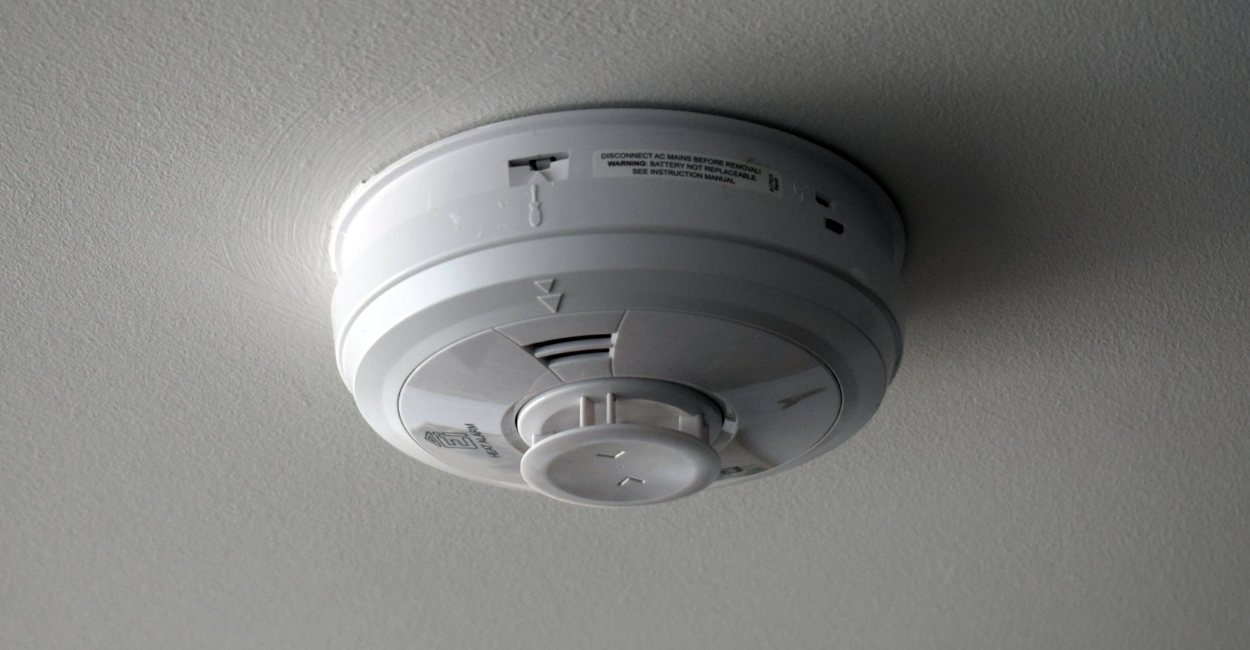
A working smoke alarm must be fitted on each storey used as living accommodation. This can include floors with bedrooms, living rooms, hallways, landings or other rooms where tenants spend time.
The regulations do not specify the exact location of each smoke alarm, but government guidance says alarms are generally fixed to the ceiling in a circulation space, such as a hallway or landing. Landlords should also follow the manufacturer’s instructions when installing alarms.
Test alarms at the start of each tenancy
Landlords must make sure the alarms are in proper working order on the first day of a new tenancy. This is a simple but important check, and it is worth keeping a written record that the alarms were tested before the tenant moved in.
Repair or replace faulty alarms
Tenants are usually expected to test alarms during the tenancy and report any faults. Once a landlord is told that a smoke alarm or carbon monoxide alarm is faulty, they must arrange for it to be repaired or replaced as soon as reasonably practicable.
2. Why Going Beyond the Minimum Can Improve Safety
Meeting the legal minimum is essential, but in many rental properties, it may be sensible to go further. Better alarm placement, mains-powered alarms and interlinked systems can all improve the level of protection in the property.
Consider mains-powered alarms with battery backup
Battery alarms can meet the basic requirement in many standard rental properties, but mains-powered alarms with battery backup offer a more reliable long-term option.
They reduce the risk of alarms being left without working batteries, while still providing backup protection during a power cut.
Use interlinked alarms where appropriate
Interlinked alarms are designed to sound together when one alarm is triggered.
This can provide earlier warning throughout the property, especially in larger homes, properties over several floors, or homes where bedrooms are separated from living areas.
3. Heat Detectors for Kitchen Safety
A standard smoke alarm is not usually the best choice for a kitchen. Cooking fumes, steam and burnt food can cause nuisance alarms, which may encourage tenants to silence or disable the alarm.
Why heat detectors are useful in kitchens
Heat detectors are designed to respond to a rapid rise in temperature or a high fixed temperature, rather than normal cooking fumes.
This makes them a practical choice for kitchens, where a standard smoke alarm may be too easily triggered.
Reducing nuisance alarms
By using the correct type of detector in the correct location, landlords can improve protection while reducing false alarms.
This helps make it more likely that tenants will leave the alarm system active and report any issues early.
4. Carbon Monoxide Alarm Regulations for Landlords
Carbon monoxide is particularly dangerous because it cannot be seen, tasted or smelled. A working carbon monoxide alarm provides an essential warning if a fixed combustion appliance develops a fault.
Install CO alarms in rooms with fixed combustion appliances
Landlords must ensure a carbon monoxide alarm is installed in every room used as living accommodation that contains a fixed combustion appliance, excluding gas cookers. This can include rooms with gas boilers, oil boilers, gas fires, wood burners, open fires or log-burning stoves.
Position CO alarms correctly
The regulations do not specify the exact position, but government guidance says carbon monoxide alarms are generally positioned at head height, either on a wall or shelf, approximately 1–3 metres away from the potential source of carbon monoxide.
Landlords should also follow the manufacturer’s instructions.
Replace faulty CO alarms promptly
If a tenant reports that a carbon monoxide alarm is faulty, the landlord must arrange for it to be repaired or replaced as soon as reasonably practicable.
5. How Eaglelectrical Can Help You Stay Compliant
At Eaglelectrical, we help landlords keep their rental properties safe, compliant and properly protected with professional alarm installation and electrical safety services.
We can advise on suitable smoke alarms, heat detectors and carbon monoxide alarms, install them correctly, and help ensure your property has the right level of protection for its layout and use.
As part of this, we can also check the manufacturer’s recommended replacement date. Most smoke alarms, heat detectors and carbon monoxide alarms have a lifespan of around 10 years, with the replacement date usually shown on the back or side of the unit. Even if an alarm still sounds when tested, we would recommend replacing alarms every 10 years to help ensure continued reliability.
Our landlord safety services include:
- Smoke alarm installation: Professionally installed alarms for rental properties.
- Heat detector installation: Suitable protection for kitchens and areas where smoke alarms may cause nuisance alerts.
- Carbon monoxide alarm installation: CO alarms fitted in rooms with fixed combustion appliances.
- Mains-powered alarm systems: Hard-wired alarms with battery backup where suitable.
- Interlinked alarm systems: Alarm systems designed to sound together across the property.
- Testing and replacement: Checks, fault finding and replacement of faulty alarms.
- EICR testing: Electrical safety inspections for landlords and rental properties.
Whether you manage one rental property or a small portfolio, having the right alarms in place helps protect your tenants, your property and your responsibilities as a landlord.
To discuss smoke alarm, heat detector or carbon monoxide alarm installation for your rental property, get in touch with Eaglelectrical today.